
This is a follow on to my previous post where I detailed how I have been using covered calls to generate income on stocks I already own.
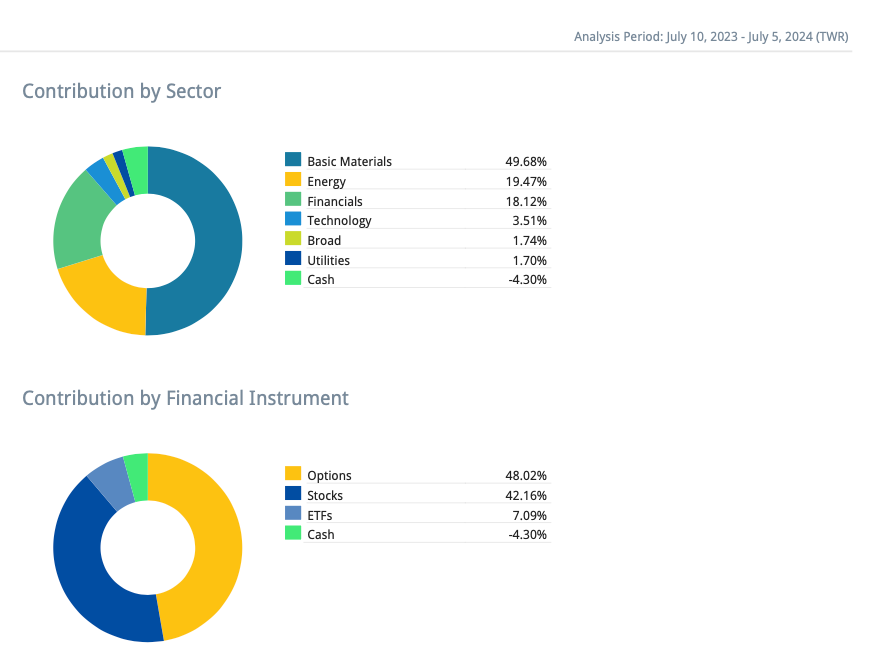
I have also been trading cash secured puts for a while now, and it has been working out quite well. The image above was taken from my trading account recently. See the yellow section for contributions made from my options trading.
Selling Cash Secured Puts (and covered calls) allows me to potentially acquire long-term investments at a discounted price while earning additional income periodically. The catch? I need to be prepared to purchase the underlying stock if the option is exercised.
My goal is to generate between 0.5-3% a month on my cash reserves, depending on the volatility of the stocks I choose. Over time, this strategy can make a notable difference. It's important to understand that this strategy doesn't eliminate risk. You can still lose money if the stock price drops significantly.
Let me illustrate with a (similar to previous post) example.

Another image of a sleek Tesla. Who wouldn’t want one?
Let's imagine I have a particular investment view over the next decade, that is very similar to my friend previously trading in covered calls. Just as he did, I perhaps believe that the world is moving towards a more electrified energy infrastructure and ecosystem.
With such a view, I would be looking to invest in the following (identical thesis to Mr Covered Calls):
- Solar companies (renewable energy generation)
- Copper mining companies (raw materials needed to upgrade the grid for electrical transmission)
- Electric vehicle companies (discharging carbon-free electrons rather than burning carbon molecules)
Some charts of the ETFs that represent these ideas:
- Solar ETF with ticker symbol TAN
- Copper Mining ETF with ticker symbol COPX
- EV and Future Mobility ETF with ticker symbol KARS
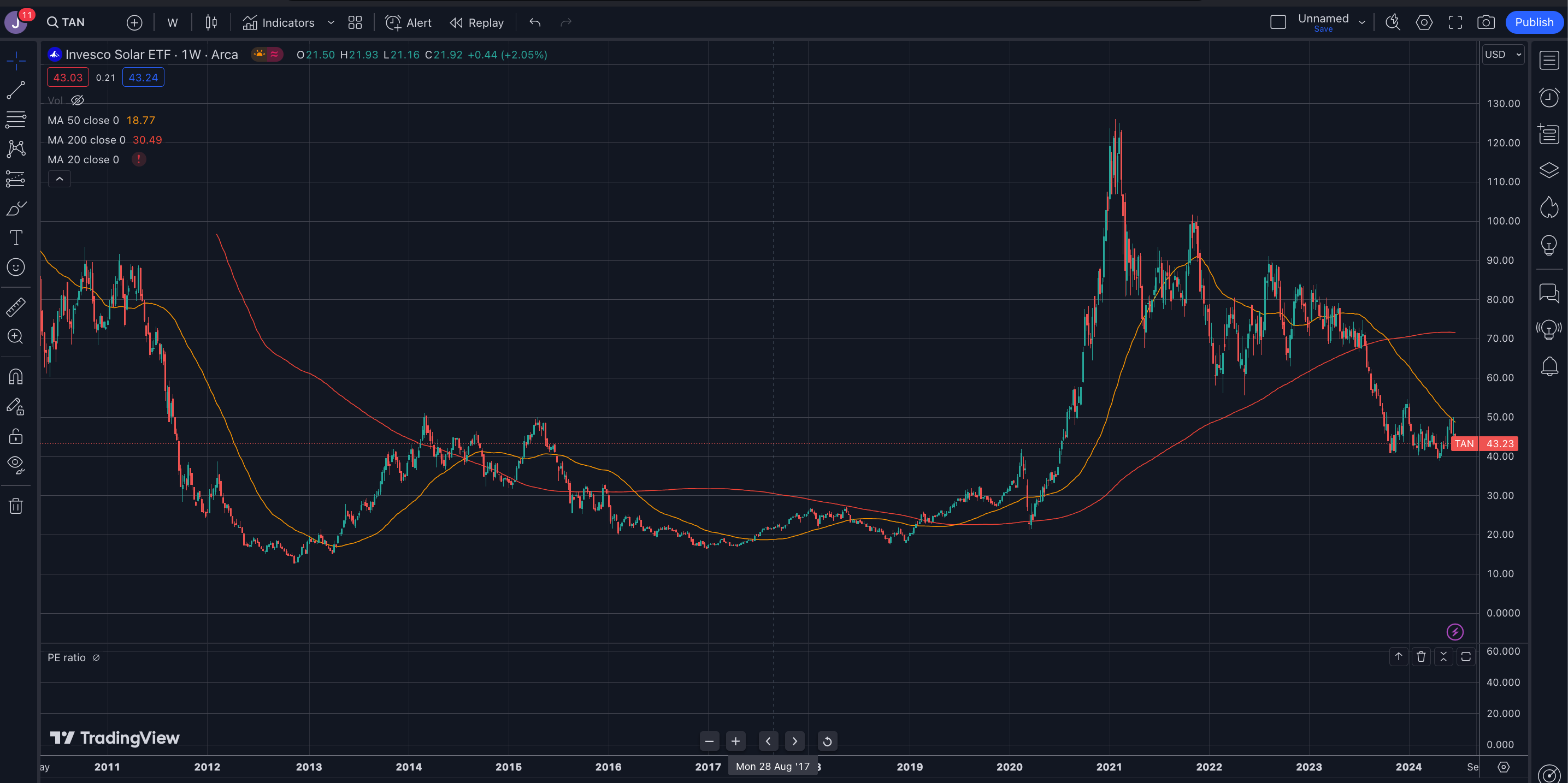
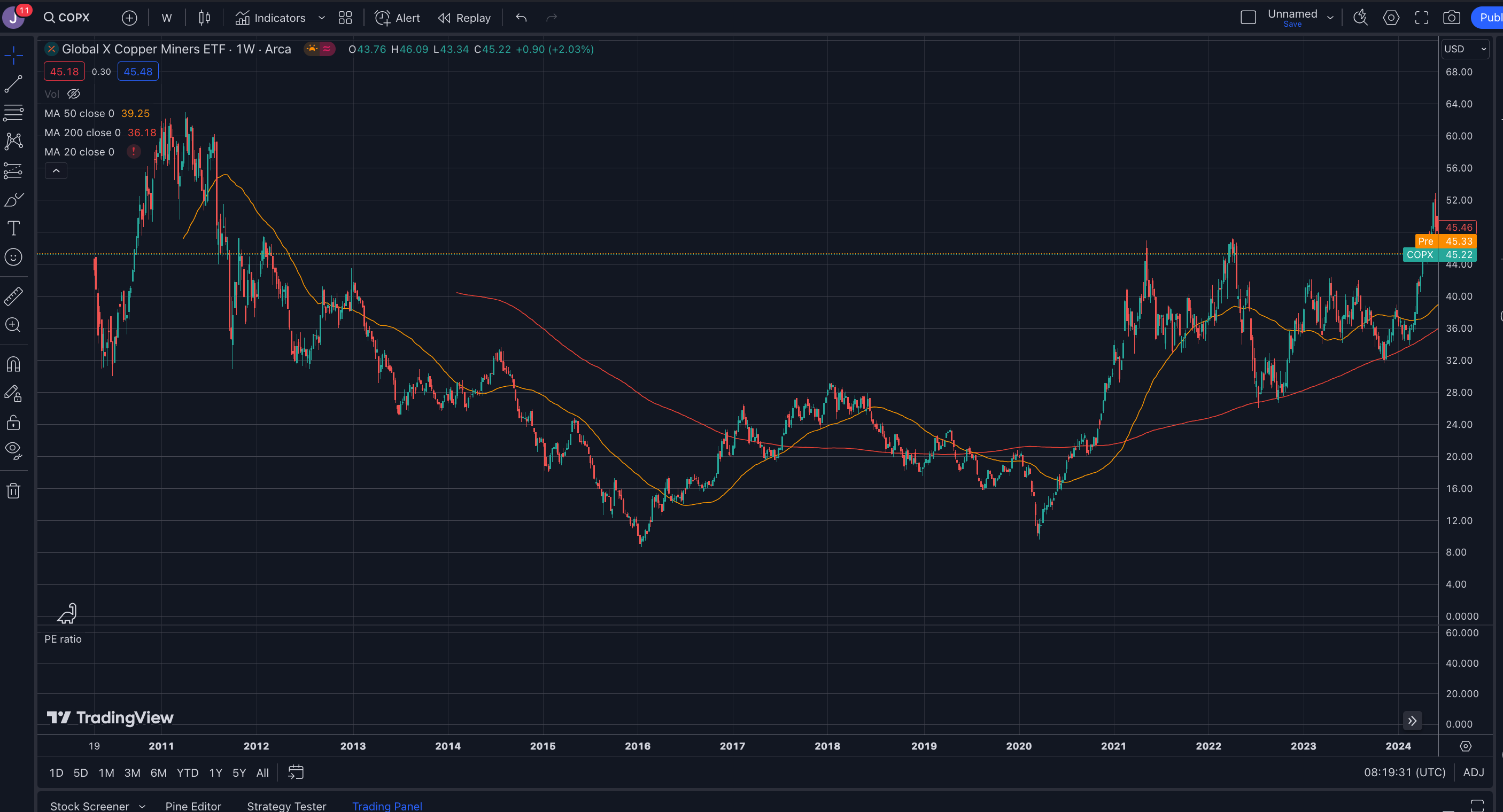
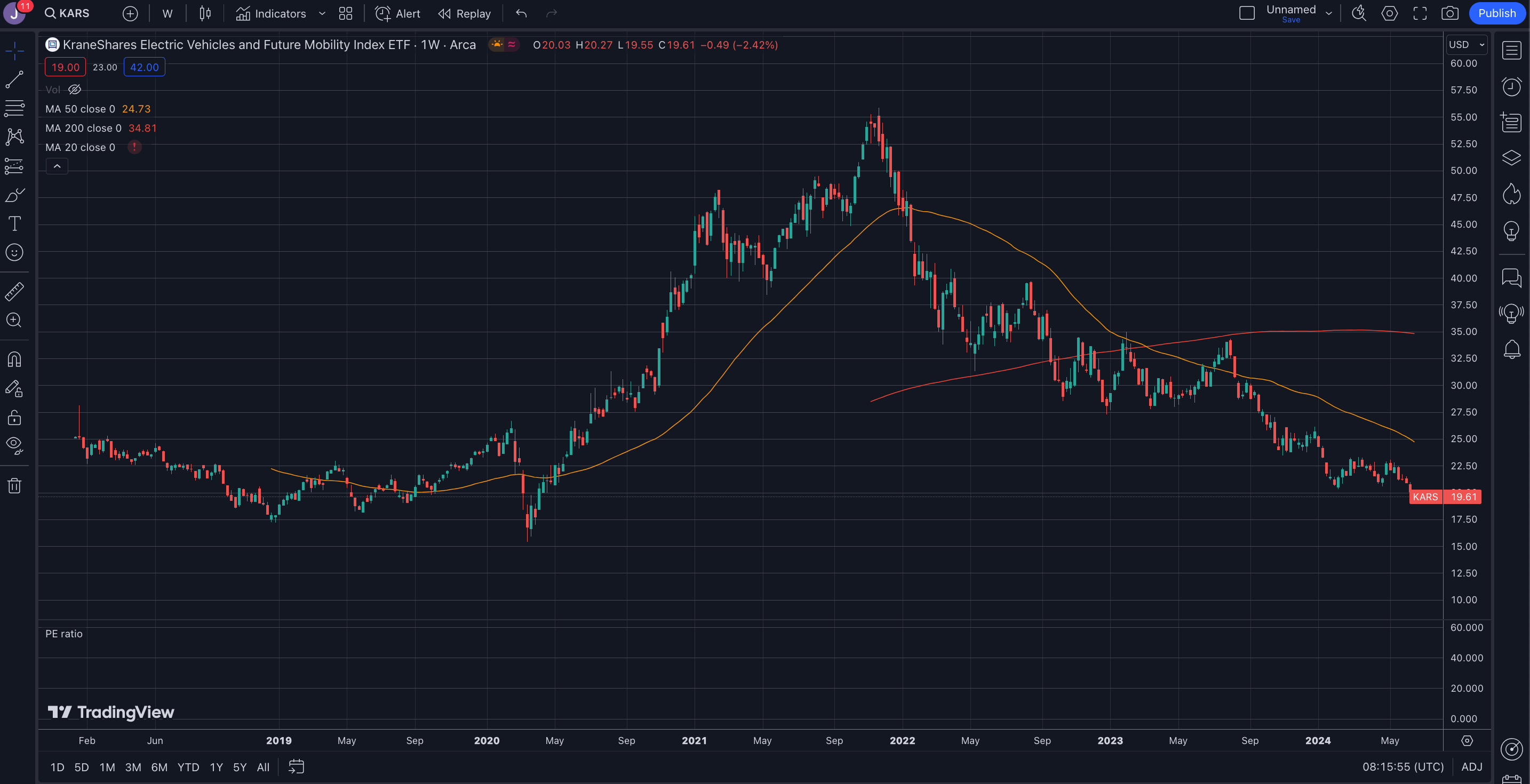
Take a look at the Y-axis for prices over time. What stands out to you about these investment vehicles? To me, it screams VOLATILITY!
As observed before, the KARS ETF went from $19 to $55 and back again in less than 4 years. That means one could have gone from driving a Corolla to an electric Lambo in 2 years. It is now 2024, and if that investor wasn't properly hedged or was over-leveraged, they might find themselves kicking some used Nissan Leaf tires in a car lot while reading this.
Enter cash secured puts.
So what is a put? According to Investopedia:
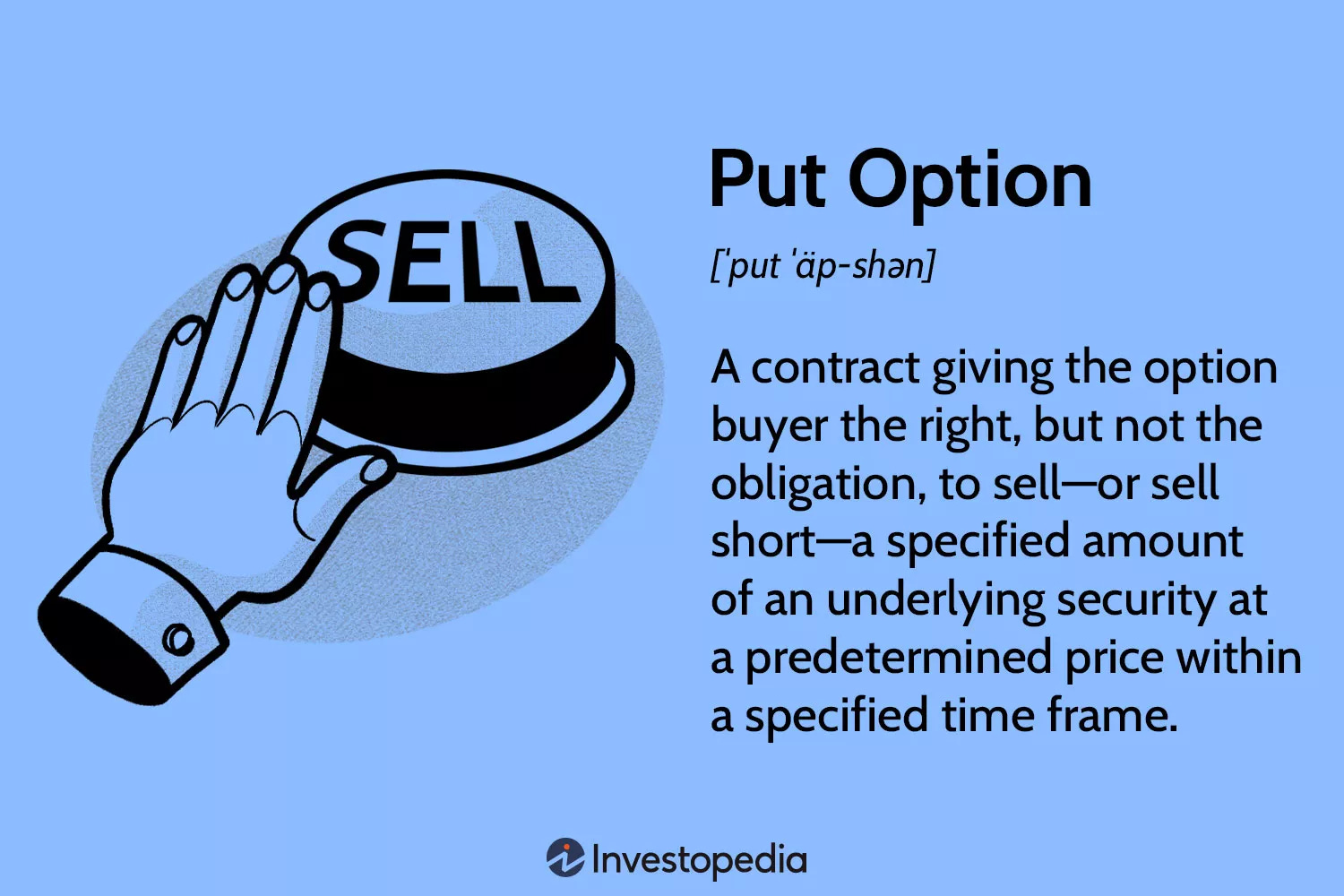
Investopedia / Theresa Chiechi
How about a Cash Secured Put?
Essentially, you sell a put option and set aside enough cash to buy the stock if the option is exercised. You earn the premium from selling the put, which can provide a steady income.
”Simply put, if an investor believes a stock is worth buying at a lower price, they can sell a put option at that strike price. If the stock drops to or below the strike price, they buy it at the strike price, effectively acquiring it at a discount (less the premium received). If the stock doesn't drop, they keep the premium as profit.”
The maximum profit of a cash secured put is the premium received from selling the option. For example, if you sell a put option with a strike price of $90 on a stock currently trading at $95, and you receive a premium of $1.00 per stock (100 stocks per options contract), the maximum profit is $100.
So what does this have to do with Tesla and volatile copper mines in Panama, you ask? Remember our 3 different ETFs listed before. Putting them into the options premium calculator over at premium.coverd.io:
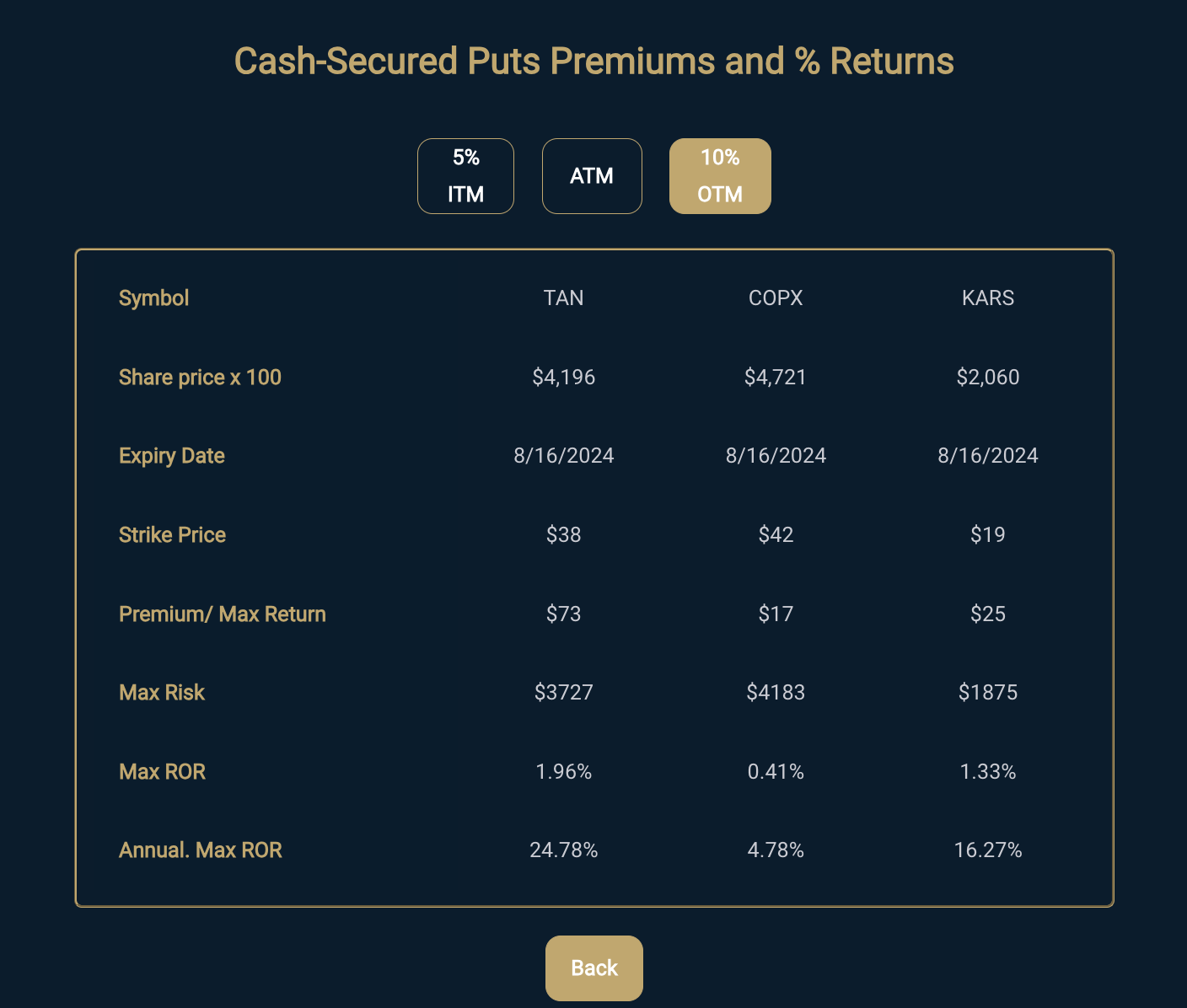
Calculations done with the Coverd app on 15th of July 2024
As you can see, these ETFs currently generate between 0.4-2% a month in premiums, with the catch being that the investor must be ready to buy the underlying asset at a 10% discount if the option is exercised before the option’s expiry date of 8/16/2024 in this case. This post was drafted on the 15th of July, during market hours.
Assuming these rough premium values stick over a multi-year horizon, and assuming these underlying assets (TAN, COPX, DRIV) continue to thread water violently without going to zero, the investor would be looking at ROI’s in the 20% per annum range approximately. THAT IS NOT TOO BAD, being able to get paid to wait for an investment thesis to work out.
In general, the more volatile an underlying asset, the higher the premiums associated with said security.
So is the cash secured put strategy for you? considering how similar these strategies are, I have listed out the differences between them, so that you are able to better decide when to deploy each strategy.
 a couple of sheep standing on top of a grass covered field
Similar Option Strategies. To put, or to call?
Differences Between Cash Secured Puts and Covered Calls
Both cash secured puts and covered calls are popular options strategies that allow investors to earn additional income, but they serve different purposes and come with distinct advantages and disadvantages.
Cash Secured Puts
- Objective: Earn premium income while being prepared to buy the stock at a lower price.
- Requirements: Sufficient cash to buy the stock at the strike price if assigned.
- Profit: Premium received from selling the put.
- Risk: Stock price can fall significantly below the strike price.
- Best For: Investors who want to buy a stock at a lower price and earn income while waiting.
Another Example: A stock is trading at $10. You sell a put option with a strike price of $9 and receive a $0.50 premium per share. If the stock price stays above $9, you keep the premium. If it falls below $9, you buy the stock at an effective price of $8.50 ($9 strike price - $0.50 premium).
Covered Calls
- Objective: Earn premium income on a stock you already own.
- Requirements: Own the underlying stock.
- Profit: Premium received from selling the call plus any stock price appreciation up to the strike price.
- Risk: Limited profit if the stock price rises significantly above the strike price.
- Best For: Investors who want to generate income on stocks they own and are willing to cap their upside.
Another Example: A stock is trading at $10. You own the stock and sell a call option with a strike price of $11 and receive a $0.50 premium per share. If the stock price stays below $11, you keep the stock and the premium. If it rises above $11, you sell the stock at an effective price of $11.50 ($11 strike price + $0.50 premium).
Advantages and Disadvantages
Cash Secured Puts
-
Advantages:
- Potential to buy stocks at a discount.
- Generates income while waiting for a desired purchase price.
-
Disadvantages:
- Requires significant cash reserves.
- Risk of stock price falling significantly below the strike price.
Covered Calls
-
Advantages:
- Generates income on existing stock holdings.
- Provides some downside protection through the premium received.
-
Disadvantages:
- Limits potential upside if the stock price rises sharply.
- Requires ownership of the stock, limiting flexibility.
Both strategies can be effective tools for generating income and managing risk, depending on your investment goals and market outlook.
This is just a brief intro to the topic, with tons of more in-depth content out there for the curious investor.
Thanks for reading, and good luck with those investments.
Disclaimer: This is not investment advice, and please do your own research. I am currently in a used car lot kicking tires. Bicycle tires.
Extra Resources
- Investopedia: Put Option: What It Is, How It Works, and How to Trade Them
- Investopedia: Covered Call
- Link to free app: premium.coverd.io
- Reddit’s r/options page
- Youtube Videos Explaining the Cash Secured Put Strategy: